


睡眠呼吸暂停
Nasal Allergy Symptoms and Treatment Approaches
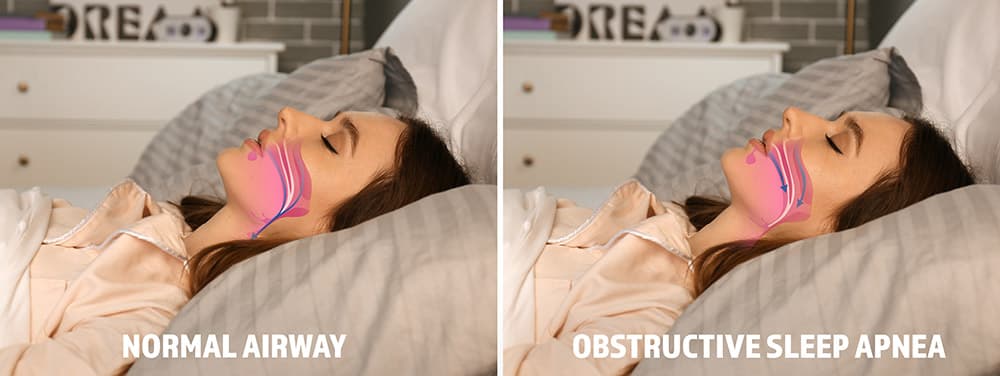
What is sleep apnea?
Sleep apnea is a sleep-related breathing disorder characterised by repeated pauses in breathing during sleep. These interruptions can last from a few seconds to over a minute and may occur multiple times throughout the night.
The most common form is obstructive sleep apnea (OSA), where the airway becomes partially or completely blocked during sleep. This leads to reduced oxygen levels, fragmented sleep and strain on the heart and brain.
Sleep apnea often goes undiagnosed, as breathing interruptions occur during sleep. However, untreated sleep apnea can affect daily functioning and long-term health.
Why does sleep apnea matter?
Sleep apnea is more than a snoring or sleep-related issue:
Repeated interruptions in breathing during sleep lead to drops in oxygen levels and prevent the body from reaching deep, restorative sleep. Over time, this ongoing strain can affect various organs and physiological systems, even if symptoms are not immediately obvious.
Poor-quality sleep caused by sleep apnea often results in persistent daytime fatigue, reduced concentration and impaired memory. Many individuals find that their work performance, mood and overall quality of life are affected, despite spending what appears to be enough time in bed.
Beyond daily symptoms, untreated sleep apnea has been associated with longer-term health concerns.
These may include:
- An increased risk of high blood pressure
- Heart disease
- Stroke
- And metabolic conditions
In some individuals, sleep apnea can also worsen existing medical conditions or reduce the effectiveness of ongoing treatment.

王耀光博士
资深耳鼻喉科专家及鼻科医生
王耀光医生是一位经验丰富的耳鼻喉科专家,拥有超过20年的临床经验。他以优异的成绩毕业于都柏林大学三一学院,并于2008年完成耳鼻喉科专科培训,在全国毕业考试中荣获金奖。之后,他前往美国匹兹堡大学医学中心,接受了鼻科学和内镜颅底外科的亚专科进修培训。.
在进入私人执业领域之前,翁医生曾担任高级顾问和 临床服务主任 在 国立大学医院 (新加坡国立大学医院),他曾共同领导内窥镜颅底项目。他还持有…… 睡眠医学硕士 以及过敏学研究生证书。.
Symptoms of sleep apnea
Sleep apnea can present in different ways and symptoms may vary from person to person.
Some signs occur during sleep and are often noticed by a partner, while others affect how you feel during the day. In many cases, symptoms develop gradually and may be mistaken for general tiredness or stress.
Common symptoms include:
- Loud, habitual snoring, often occurring most nights
- Pauses in breathing during sleep, sometimes followed by gasping or choking
- Unrefreshing or restless sleep, despite adequate time in bed
- Excessive daytime sleepiness, including dozing off easily during quiet activities
- Morning headaches, particularly on waking
- Difficulty concentrating or memory lapses
- Irritability or low mood, linked to ongoing sleep disruption
Not everyone with sleep apnea will experience all of these symptoms. If several are present, consider further evaluation with a sleep ENT specialist.
What causes sleep apnea?
Sleep apnea most commonly occurs when airflow is repeatedly blocked during sleep due to narrowing or collapse of the upper airway. This happens as the muscles of the throat relax during sleep, allowing surrounding structures to partially or completely obstruct breathing.
In many individuals, obstruction does not occur at a single point but at multiple levels of the airway. Identifying where and why this collapse happens is an important part of assessment, as it helps guide appropriate treatment.
Common contributing factors include:
- Nasal obstruction, such as a 鼻中隔偏曲, chronic rhinitis or sinus conditions
- Enlarged tonsils or adenoids, particularly in children but also in some adults
- Soft palate or tongue base collapse during sleep
- Jaw or facial structure, which may reduce airway space
- Excess weight, especially around the neck
- Alcohol or sedative use before sleep, which can further relax airway muscles
In some cases, sleep apnea may be influenced by a combination of anatomical factors 和 lifestyle contributors.
Understanding the underlying cause is important, as management depends on whether airway anatomy, functional factors or a combination of both are contributing.
Diagnosing sleep apnea
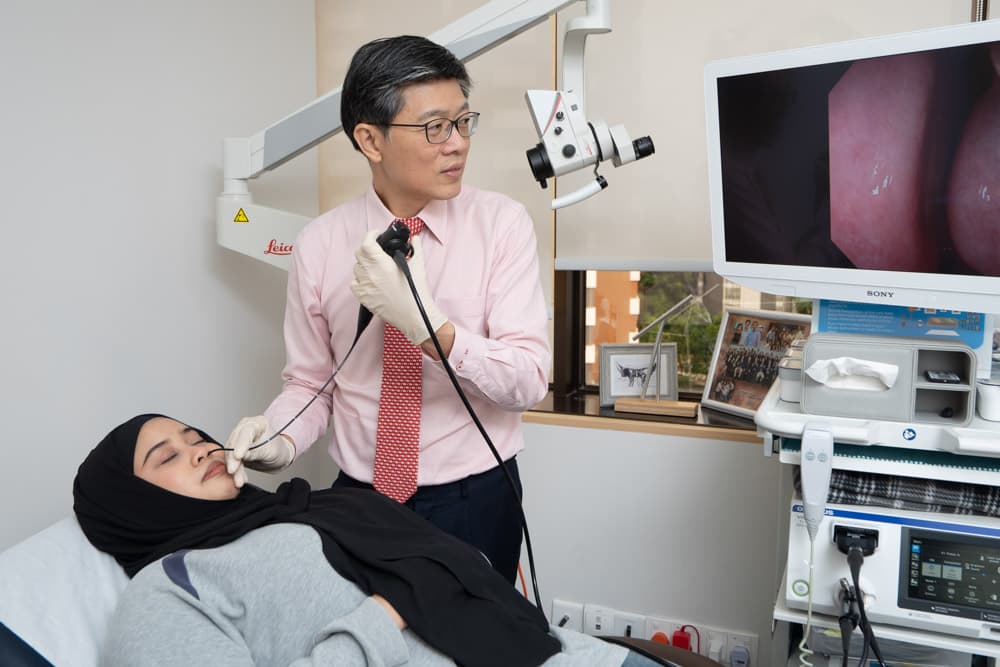
Evaluation begins with a detailed clinical assessment, including a review of symptoms, sleep patterns and medical history.
The goal is to confirm whether sleep apnea is present, assess its severity and understand the factors contributing to airway obstruction.
Sleep studies (polysomnography or home sleep testing)
Sleep studies are used to confirm the diagnosis of sleep apnea and determine its severity. These tests measure breathing patterns, oxygen levels 和 sleep stages, helping to quantify how often breathing interruptions occur during sleep.
Flexible nasoendoscopy
Flexible nasoendoscopy allows direct visual assessment of the nasal passages, throat 和 upper airway anatomy. This helps identify structural contributors such as nasal narrowing, soft tissue crowding or tonsillar enlargement.
Drug-Induced Sleep Endoscopy (DISE)
In selected cases, DISE may be performed to observe airway collapse during simulated sleep. By assessing how the airway behaves under sedation, this investigation provides additional insight into the level and pattern of obstruction.
Assessment of nasal airflow and structural contributors
Evaluation of nasal airflow and facial or airway structure helps identify factors that may increase resistance to breathing during sleep, such as septal deviation or reduced airway space.
Together, these investigations provide a clearer understanding of both severity and airway anatomy, which explains why management approaches may differ between individuals.
Sleep apnea treatment and management
Treatment depends on the severity of sleep apnea, symptoms and the underlying cause of airway obstruction.
Management of sleep apnea may include:
- Continuous Positive Airway Pressure (CPAP) therapy
- Oral appliances prescribed by trained dental sleep practitioners
- Weight management and lifestyle modification
- Positional therapy in selected cases
Surgical options
Surgery may be considered when anatomical obstruction is identified or when non-surgical treatments are poorly tolerated. Procedures are targeted at improving airflow and may involve:
- Nasal surgery to improve breathing
- Tonsil or soft palate surgery
- Tongue base or airway stabilisation procedures
- Multi-level airway surgery in selected patients
Care is guided by your individual needs, with both conservative and advanced treatment options considered where appropriate, and clear explanations provided at each step.
Taking the next step towards better sleep

If sleep apnea symptoms are affecting your rest, energy levels or daily functioning, it may be helpful to seek further clarity. Understanding what is contributing to disrupted sleep allows concerns to be addressed in a structured and thoughtful way.
A review with an 耳鼻喉科专家 can help assess airway-related factors, discuss appropriate investigations and explore treatment options. if you would like to arrange a consultation or seek a second opinion, you may contact our clinic for further support.