


Blocked Nose: Causes, Symptoms and When to See an ENT Specialist
A blocked nose is common, especially during a cold or seasonal allergies. However, for some people, nasal congestion can become a persistent problem, lasting for weeks or even months, affecting breathing, sleep and daily activities.
Nasal blockage can have several underlying causes, from temporary inflammation to structural problems involving the nose or sinuses. Identifying the cause is important for determining the appropriate treatment.
If you frequently struggle to breathe through your nose, experience blockage on one side or have symptoms that persist despite simple measures, an ENT specialist can assess the cause and recommend suitable treatment.
What does a blocked nose feel like?
A blocked nose happens when airflow through the nasal passages is restricted. Some people describe this as congestion or a feeling that the nose is constantly stuffy, but others might feel as though they can’t breathe freely through one or both nostrils.
The sensation isn’t always caused by excess mucus. Swelling of the tissues inside the nose can narrow your nasal passages, and structural problems can also physically restrict the airflow.
Depending on the underlying cause, nasal blockage might occur alongside other symptoms. These can include a runny nose, sneezing, 嗅觉减退, facial pressure, headaches, post-nasal drip or difficulty sleeping.
The pattern of these symptoms can give you a lot of useful clues about what is causing the problem, especially if your congestion has become persistent.
What can cause a blocked nose?
There are several possible causes of ongoing nasal congestion:
Colds and Respiratory Infections
A viral infection like the common cold can cause inflammation and increased mucus production inside your nose. This can make breathing through the nose difficult for several days, with symptoms usually improving as the infection gets better.
变应性鼻炎
过敏 are another common cause of nasal congestion. Exposure to substances such as dust mites, pollen, mould or animal dander can trigger inflammation inside the nose. Sneezing, itching and a runny nose may occur alongside the blockage.
If congestion keeps appearing after exposure to a particular trigger, it might be worth investigating whether you’ve got an allergy.
Chronic Rhinitis
Not all persistent nasal symptoms are caused by allergies. Non-allergic rhinitis can cause congestion, a runny nose, or sneezing without a specific allergy trigger. Certain smells, changes in temperature, smoke and other irritants can contribute to symptoms.
鼻中隔偏曲
The nasal septum is the structure that separates the two sides of the nose. If it is significantly deviated, one nasal passage may be narrower than the other, making it more difficult to breathe through the nose.
A 鼻中隔偏曲 can happen naturally, or develop after an injury, and some people can feel symptoms such as persistent obstruction on one side.
鼻息肉
Nasal polyps are soft growths that can develop within the lining of the nose or sinuses.
Larger polyps or multiple polyps can interfere with normal airflow and may also affect the sense of smell. People with nasal polyps may experience congestion as well as reduced smell, or recurring sinus symptoms.
Chronic Sinusitis
Inflammation of the sinuses can also contribute to nasal obstruction. Chronic sinusitis may cause congestion, facial pressure, a reduced sense of smell and thick nasal discharge. Symptoms that continue for an extended period might require an assessment by an ENT specialist.
When should a blocked nose be evaluated by a doctor?
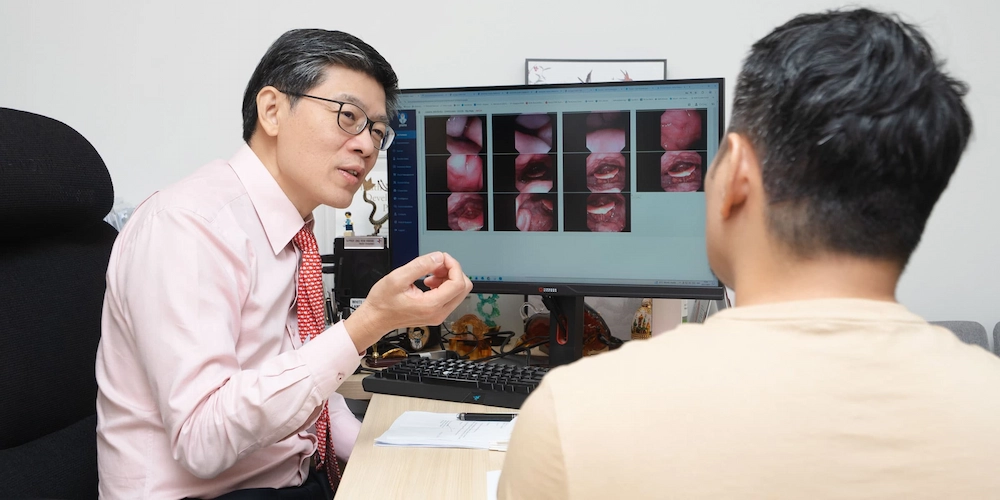
A blocked nose caused by a common cold usually improves as the infection clears. However, persistent or recurring nasal congestion may require further evaluation, especially if it affects your breathing, sleep or daily activities.
Nasal blockage that consistently affects only one side should also be assessed, as there may be an underlying condition requiring attention.
Other symptoms such as recurrent nosebleeds, reduced sense of smell, facial pain or pressure, repeated sinus infections or persistent nasal discharge may also warrant an assessment by an ENT specialist.
How is the cause of a blocked nose diagnosed?
An ENT specialist will review your symptoms, how long they have been present and what makes them better or worse. Your medical history and any previous nasal or sinus conditions will also be considered.
A physical examination of the nose may be performed to check for inflammation, swelling, a deviated septum, nasal polyps or other causes of obstruction.
Depending on the findings, a 鼻内窥镜检查 may be recommended to examine areas that are not clearly visible during a routine examination.
In some cases, further investigations such as a CT scan may be needed to assess sinus disease or structural abnormalities.
How does an ENT specialist treat a blocked nose?

Treatment for a blocked nose depends on the underlying cause, the severity of your symptoms and how long they have persisted. Not every case requires surgery, and many causes of nasal congestion can be managed with medication or other non-surgical treatments.
Medical Management
Blocked nose treatment may include:
- Saline nasal sprays or rinses: Help clear mucus, allergens and irritants from the nasal passages.
- Steroid nasal sprays: Reduce inflammation and swelling associated with allergic rhinitis, chronic rhinosinusitis and nasal polyps.
- Antihistamines: Help manage allergy-related symptoms such as sneezing, a runny nose and nasal congestion.
- Decongestants: Provide temporary relief from nasal blockage. Certain nasal decongestant sprays should only be used for a short period to avoid rebound congestion.
- Allergy management: Identifying and reducing exposure to allergens, with immunotherapy considered for suitable patients.
Advanced Procedures
When nasal blockage is caused by structural abnormalities or persists despite appropriate medical treatment, ENT procedures may be recommended. They include:
- 鼻中隔成形术: Corrects a deviated nasal septum that restricts airflow through the nose.
- 涡轮减速: Reduces enlarged nasal turbinates to improve airflow.
- Endoscopic sinus surgery: Helps restore sinus drainage and address certain cases of chronic sinusitis or nasal polyps.
The appropriate treatment depends on an accurate diagnosis. An ENT specialist can assess whether your symptoms are best managed with medication, monitoring or a surgical procedure.
Finding relief from a persistent blocked nose
A blocked nose is common, but persistent nasal congestion should not be overlooked.
Conditions such as allergic rhinitis, a deviated septum, nasal polyps and chronic sinusitis can all contribute to difficulty breathing through the nose.
Pay attention to how long your symptoms last, whether they affect one or both sides of your nose and whether they interfere with your sleep or daily activities. Identifying the underlying cause is important for determining the appropriate treatment.
If your symptoms persist or keep recurring, consider visiting an ENT clinic in Singapore for a thorough assessment. A specialist can help identify the cause of your nasal blockage and discuss suitable treatment options to improve your breathing and comfort.

王耀光博士
资深耳鼻喉科专家及鼻科医生
王耀光医生是一位经验丰富的耳鼻喉科专家,拥有超过20年的临床经验。他以优异的成绩毕业于都柏林大学三一学院,并于2008年完成耳鼻喉科专科培训,在全国毕业考试中荣获金奖。之后,他前往美国匹兹堡大学医学中心,接受了鼻科学和内镜颅底外科的亚专科进修培训。.
在进入私人执业领域之前,翁医生曾担任高级顾问和 临床服务主任 在 国立大学医院 (新加坡国立大学医院),他曾共同领导内窥镜颅底项目。他还持有…… 睡眠医学硕士 以及过敏学研究生证书。.