


鼻出血(鼻衄)

王耀光博士
资深耳鼻喉科专家及鼻科医生
王耀光医生是一位经验丰富的耳鼻喉科专家,拥有超过20年的临床经验。他以优异的成绩毕业于都柏林大学三一学院,并于2008年完成耳鼻喉科专科培训,在全国毕业考试中荣获金奖。之后,他前往美国匹兹堡大学医学中心,接受了鼻科学和内镜颅底外科的亚专科进修培训。.
在进入私人执业领域之前,翁医生曾担任高级顾问和 临床服务主任 在 国立大学医院 (新加坡国立大学医院),他曾共同领导内窥镜颅底项目。他还持有…… 睡眠医学硕士 以及过敏学研究生证书。.
快速概览:
A nosebleed, also called nose bleeding or epistaxis, is bleeding from the lining inside the nose. Most nosebleeds are short and stop with simple home care. A nose bleed that keeps returning, comes from one side only or comes with a blocked nose is worth an ENT assessment.
- What it is: a nosebleed (epistaxis) is bleeding from the thin, blood vessel-rich lining of the nose, most often from the front of the nasal septum.
- Common causes: dry air or air conditioning, nose picking, blowing the nose too hard, colds, allergies, sinus infections and blood thinning medicines.
- Two types: anterior nosebleeds start at the front of the septum and usually affect one nostril. Posterior nosebleeds start deeper in the nose, can run down the throat and are more likely to need a doctor.
- What helps at home: sit upright, lean forward, pinch the soft part of the nose for 10 minutes and breathe through your mouth.
- When to book: see an ENT specialist if nosebleeds keep returning, affect one side or come with a blocked nose, or if you take blood thinners.
What is a nosebleed?
A nosebleed, or epistaxis, is bleeding from the tissue that lines the inside of the nose. The lining holds many small, delicate blood vessels close to the surface, so dry air, a knock or a hard blow of the nose can open one. Nose bleeding is common in adults and children and is usually brief.
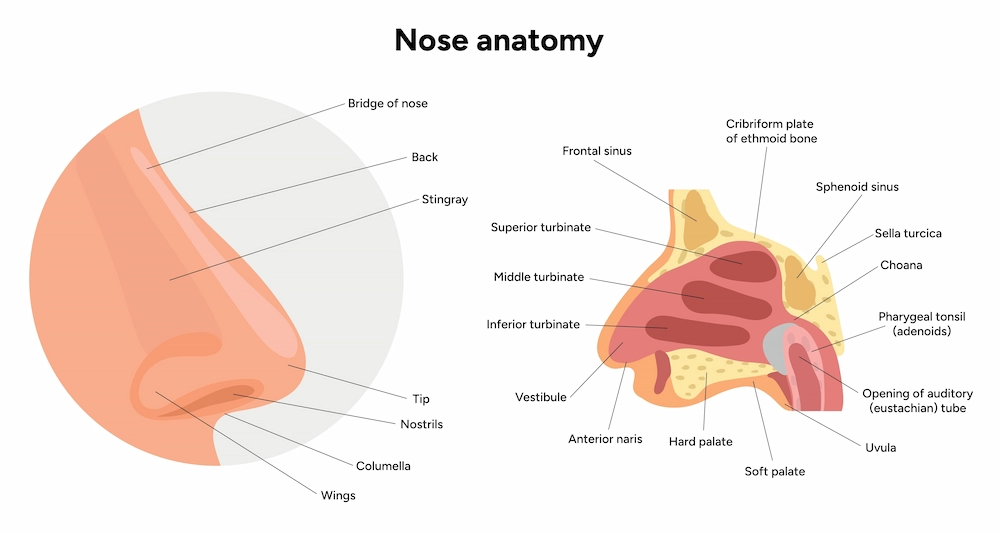
Anterior and posterior nosebleeds
Doctors describe a nosebleed by where it starts. An anterior nosebleed starts at the front of the nasal septum, the wall between the two nostrils, where many small vessels meet. It is the more common type, usually affects one nostril and often stops with first aid at home.
A posterior nosebleed starts deeper, at the back of the nose. It is less common, involves larger blood vessels and can send blood down the back of the throat, so a doctor usually needs to find and treat the source.
What causes nosebleeds?
Most nosebleeds come from dryness or minor irritation of the nasal lining. Repeated or persistent nosebleeds in adults can also point to a problem inside the nose or sinuses that an ENT specialist can examine.
Common causes of a nose bleed
- Dry air, including the cold, dry air from air conditioning in Singapore homes, cars and offices
- Nose picking or rubbing a blocked, itchy nose
- Blowing the nose too hard
- Colds, allergies and sinus infections that inflame the nasal lining
- A knock or minor injury to the nose
Nosebleeds in children
Children’s nosebleeds are common because the nasal lining is delicate and picking, rubbing and colds happen often. Allergies and enlarged adenoids can add to a blocked, irritated nose. A nosebleed in a baby or a child under 2 should be seen by a doctor, and frequent nosebleeds in an older child are worth a check with a Paediatric ENT specialist.
Nose and sinus conditions
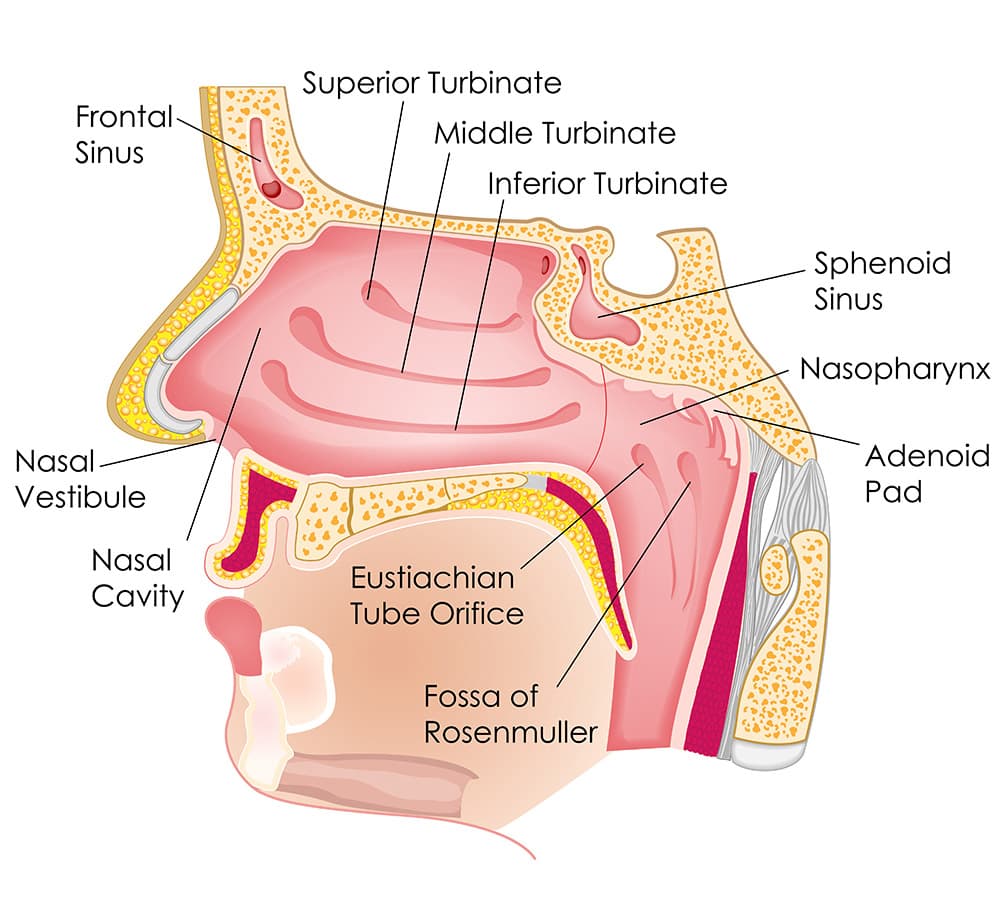
Several nose and sinus conditions make the lining dry, inflamed or easier to bleed. A deviated septum can dry out one side of the nose, and sinusitis & sinus Infection keeps the lining inflamed. Rarely, a growth inside the nose causes bleeding, which is one reason repeated one sided nosebleeds should be examined.
Medicines and health conditions
Blood thinning medicines such as aspirin and warfarin can make a nosebleed last longer or return more often. High blood pressure and clotting conditions can also play a part. If you take blood thinners and have nosebleeds, speak to the doctor who prescribed them and do not stop the medicine without advice. Pregnancy is also listed among the situations where nosebleeds are more common.
何时应该去看耳鼻喉科专家
See an ENT specialist if nosebleeds keep coming back, usually start on the same side, come with a blocked nose or blood stained mucus, or happen while you take blood thinners.
A nosebleed with no clear cause should be examined and not ignored.
- Frequent nosebleeds, such as several in a month or over several weeks
- Bleeding from the same nostril each time
- A blocked nose, reduced sense of smell or facial pressure on the same side
- Blood stained mucus or phlegm
- Nosebleeds together with easy bruising or bleeding gums
- Frequent nosebleeds in a child
Frequent nosebleeds are often caused by a small, fragile vessel or a dry nasal lining, and a nasal endoscopy can show which. Persistent one sided bleeding with a 鼻塞 is also checked to rule out less common problems inside the nose or at the back of the nose.
Which step suits your nosebleed?
| Situation | Suggested next step | Why |
|---|---|---|
| One short nosebleed that stops with pressure | Home care | Dryness or minor irritation of the nasal lining is the usual cause. |
| Occasional nosebleeds after a cold, allergy flare or dry spell | Home care and gentle nasal care; see a doctor if you are worried | The lining is inflamed or dry and settles as the trigger settles. |
| Nosebleeds that keep returning | ENT specialist assessment | A nasal endoscopy can show whether a small vessel, dryness or another problem inside the nose is the cause. |
| Bleeding from one nostril each time, a blocked nose or blood stained mucus | ENT specialist assessment with nasal endoscopy | One sided symptoms are examined to rule out a problem inside the nose. |
| Nosebleeds while taking blood thinners | Prescribing doctor first, then ENT specialist if they recur | Blood thinning medicines can prolong bleeding and need a doctor's guidance. |
| Frequent nosebleeds in a child | Paediatric ENT assessment | Allergies, picking and enlarged adenoids are common contributors and can be checked together. |
Concerned about frequent nosebleeds?

Book an ENT assessment with Dr Ong Yew Kwang.
How an ENT specialist finds the cause
An ENT specialist asks about your nosebleeds and your medicines, then examines the inside of the nose. A 鼻内镜检查 lets the doctor see the front and back of the nose clearly and look for the bleeding point.
Nasal endoscopy is performed in clinics under local anaesthesia and usually takes only a few minutes. Tell your doctor about frequent nosebleeds and any blood thinning medicine before the examination. Further tests may be advised depending on what the examination shows.

Treatment for recurrent nosebleeds
Treatment depends on the cause. The ENT specialist treats a visible bleeding vessel, protects a dry nasal lining and manages the sinus, allergy or structural problem behind repeated nosebleeds.
- Nasal care to keep the lining moist and protected
- Sealing a small bleeding vessel (cautery) when one is seen
- Treating 变应性鼻炎, sinusitis or a deviated septum that keeps irritating the nose
- Reviewing blood thinning medicines with the doctor who prescribed them
How to prevent nosebleeds
Avoid picking and rubbing the nose, blow gently and keep the nasal lining moist. A humidifier can reduce the drying effect of air conditioning, and treating allergies and colds early limits the irritation that leads to a nose bleed.
患者信息
Is a nosebleed serious?
Should I tilt my head back during a nosebleed?
Why does my nose bleed at night?
Can high blood pressure cause nosebleeds?
Are nosebleeds common during pregnancy?
Can stress or a headache cause a nosebleed?
Is blood in mucus the same as a nosebleed?
Book an ENT assessment for nosebleeds

Speak to Dr Ong Yew Kwang about frequent or persistent nosebleeds.
参考
- NHS. Nosebleed. https://www.nhs.uk/conditions/nosebleed/
- SingHealth GPFirst. Nosebleeds. https://www.singhealth.com.sg/rhs/get-well/gpfirst/
Pages/Nosebleeds-.aspx - National University Hospital. Nosebleeds (Children). https://www.nuh.com.sg/healthresources/diseases-and-conditions/nose-bleeds-children
- KK Women’s and Children’s Hospital and SingHealth. Nosebleeds in Children.
https://www.singhealth.com.sg/symptoms-treatments/nosebleeds-in-children - HealthXchange. Nosebleeds in Children. https://www.healthxchange.sg/children/
childhood-conditions/nosebleeds-children - Lee and Naidoo. Managing epistaxis: a guide for GPs. Medicine Today 2022. https://medicinetoday.com.au/2022/june/feature-article/managing-epistaxis-guide-gps