


Sinusitis
Symptoms, Diagnosis and Treatment

What is sinusitis?
Sinusitis commonly known as a sinus infection, is the inflammation of the sinus lining, usually caused by infection, allergy or blockage of the sinus drainage pathways. This leads to a build-up of mucus, resulting in nasal congestion, facial pressure, intense headaches and post-nasal drip.
While many cases are mild and resolve on their own, chronic or untreated sinusitis can lead to complications such as infections spreading to the eyes (orbital cellulitis), abscess formation, or, in rare cases, brain infections.
If symptoms are persistent or worsening, specialist evaluation is recommended.
Types of sinusitis
Sinusitis is categorised by how long symptoms last and how often they occur. Identifying the type helps guide appropriate treatment.
- Acute sinusitis lasts less than 12 weeks and is usually triggered by a viral infection. Symptoms often appear suddenly and include facial pain, congestion, and thick nasal discharge.
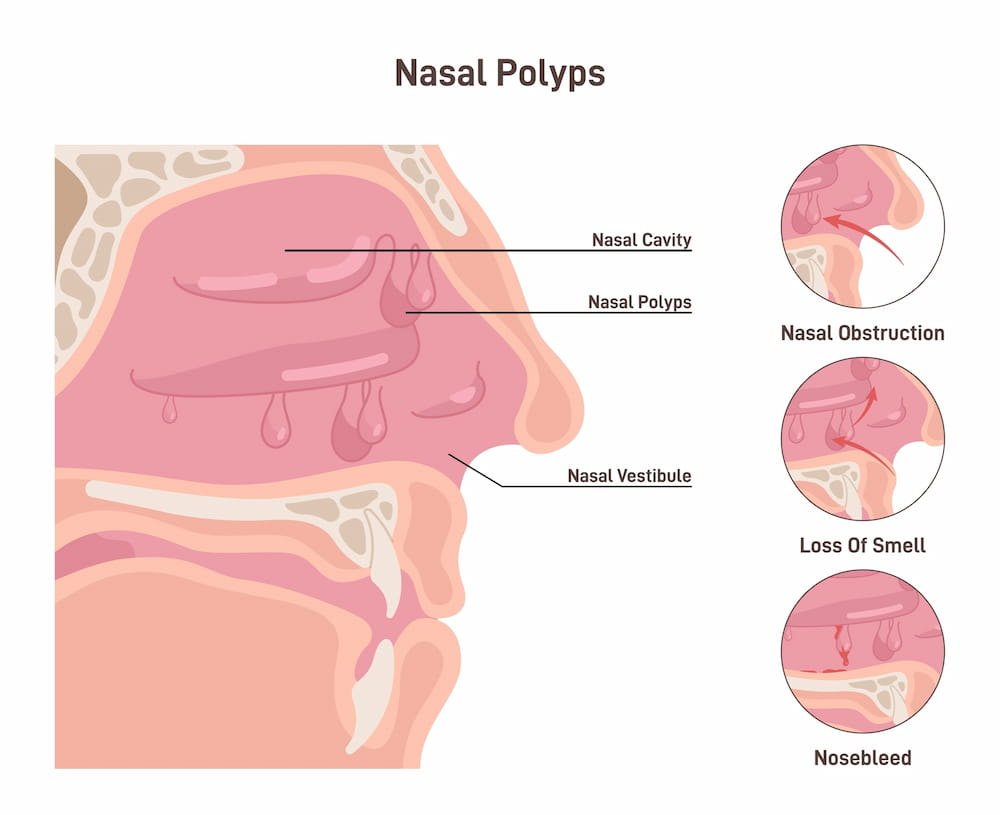
- Chronic sinusitis is diagnosed when symptoms persist beyond 12 weeks. It is a chronic inflammatory condition and can be associated with allergies or structural abnormalities like a deviated septum. It may or may not be associated with nasal polyps.
If your symptoms are lasting or frequently return, a specialist evaluation may help prevent long-term complications and improve your quality of life.
Causes of sinus infections
Sinus infections often occur when the sinuses are unable to drain properly, allowing mucus to build up and become inflamed and infected.
The most common cause is a viral infection, such as a cold. If symptoms persist, a bacterial infection may follow. Allergies, especially allergic rhinitis, can contribute to chronic or recurrent sinusitis.
Other contributing factors include structural issues like a deviated septum, as well as environmental irritants such as smoke or pollution. In some cases, dental infections or fungal exposure may be involved, particularly in those with weakened immunity.
You may be at higher risk of developing chronic or recurring sinusitis if you have frequent respiratory infections, allergic rhinitis or asthma, or regular exposure to pollutants.
Identifying the cause and contributing factors helps guide effective treatment and long-term relief.

Dr. Ong Yew Kwang
Senior Consultant ENT Specialist & Rhinologist
Dr Ong Yew Kwang is an experienced ENT specialist with over 20 years of clinical practice. He graduated with honours from Trinity College, University of Dublin and completed ENT specialist training in 2008, earning the gold medal in the national exit examination. He later undertook subspecialty fellowship training in Rhinology and Endoscopic Skull Base Surgery at the University of Pittsburgh Medical Center, USA.
Before entering private practice, Dr Ong served as Senior Consultant and Director of Clinical Service at the National University Hospital (NUH), where he co-led the endoscopic skull base programme. He also holds a Master of Medicine in Sleep Medicine and a Post-Graduate Certificate in Allergy.
Symptoms of sinusitis
The symptoms of sinusitis can vary depending on the type and severity, but they commonly affect the nose, face, and surrounding areas.
You may experience:
Blocked nose or nasal congestion | Headaches, facial pressure or discomfort | Post-nasal drip, with mucus in the throat |
Thick yellow or green nasal discharge | Reduced or lost sense of smell | Mild fever or cough, especially at night |
Diagnosis and tests

Diagnosing sinusitis begins with a detailed consultation and physical examination:
Your doctor will ask about your symptoms, how long they’ve lasted and whether they tend to recur. A simple examination of the nose may reveal signs of swelling, discharge or structural issues.
To better assess the sinuses and confirm the diagnosis, the following tests may be recommended:
- Nasal endoscopy: A thin, flexible camera is inserted through the nose to examine the nasal passages and sinus openings. This quick, in-clinic procedure helps detect infection, oedema or polyps.
- CT scan of the sinuses: Provides detailed images of the sinus cavities to assess inflammation and identify structural problems, especially in chronic or complex cases.
- Allergy testing: May be recommended if allergies are suspected, to identify specific triggers and support long-term management.
A precise diagnosis is essential to determine the most effective treatment plan, particularly in patients with persistent or recurrent symptoms.
Sinusitis treatment options
Managing sinusitis starts with understanding what’s causing it, whether it’s infection, allergy or a structural issue. Treatment is tailored to the type and severity of your condition, to restore normal sinus function and relieve symptoms.
Medical treatment
For most cases of acute sinusitis, symptoms improve with simple measures. These may include nasal saline rinses, steroid nasal sprays to reduce inflammation, and medications to relieve congestion or manage allergies. Antibiotics may be prescribed if there’s evidence of a bacterial infection.
If allergic rhinitis is a contributing factor, managing the allergy is essential to reduce flare-ups and prevent chronic inflammation.
When procedures are needed
If symptoms persist despite maximal medical treatment, your ENT doctor may recommend procedures to improve sinus drainage.
Surgical Options
- Functional Endoscopic Sinus Surgery (FESS) is commonly used to treat chronic sinusitis and remove obstructions such as nasal polyps. It improves sinus ventilation and drainage using a minimally invasive approach.
- Septoplasty is often performed when a deviated nasal septum is narrowing the nasal passages and affecting sinus health.
Most procedures are done under general anaesthesia with no external cuts and recovery is usually smooth.
Your ENT specialist will guide you through the most appropriate treatment based on your condition, ensuring both symptom relief and long-term sinus health.
When to see an ENT specialist

If your sinus symptoms persist, keep recurring or are no longer responding to usual treatment, it may be time to consult an ENT specialist.
Patient Information
Is sinusitis contagious?
How do I know if my sinus infection is viral or bacterial?
Can sinusitis cause ear blockage or pressure sensation?
Inflammation or congestion from sinusitis can affect pressure regulation in the middle ear, leading to a blocked sensation or ear pressure.
Can sinusitis cause tooth pain?
What is the difference between balloon sinuplasty and FESS?
FESS (Functional Endoscopic Sinus Surgery) involves using a thin camera and instruments to remove inflamed tissue or obstructions, and is often recommended for chronic or more complex sinus conditions.
FESS is considered a more effective and lasting treatment than Balloon sinuplasty.
Is sinus surgery painful?
How long is the recovery after sinus surgery?
Full healing of the sinuses can take up to 12 weeks. Your ENT surgeon will provide guidance on activity restrictions and follow-up care.