

Tonsillectomy
Quick Overview:
- A tonsillectomy, also called tonsil removal surgery, is an operation that removes the tonsils under general anaesthesia as day surgery.
- It is considered when tonsil infections keep returning or when enlarged tonsils block breathing during sleep, in adults and in children.
- Dr Ong Yew Kwang offers both total and partial tonsillectomy.
- Most people recover in one to two weeks, with a sore throat as the main symptom.

Dr. Ong Yew Kwang
Senior Consultant ENT Specialist & Rhinologist
Dr Ong Yew Kwang is an experienced ENT specialist with over 20 years of clinical practice. He graduated with honours from Trinity College, University of Dublin and completed ENT specialist training in 2008, earning the gold medal in the national exit examination. He later undertook subspecialty fellowship training in Rhinology and Endoscopic Skull Base Surgery at the University of Pittsburgh Medical Center, USA.
Before entering private practice, Dr Ong served as Senior Consultant and Director of Clinical Service at the National University Hospital (NUH), where he co-led the endoscopic skull base programme. He also holds a Master of Medicine in Sleep Medicine and a Post-Graduate Certificate in Allergy.
What Is a Tonsillectomy?
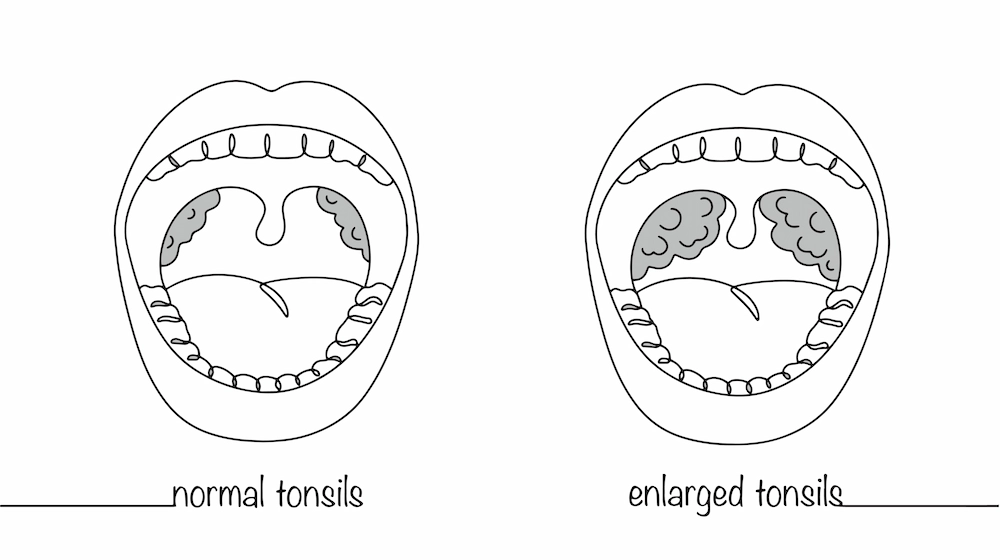
A tonsillectomy is an operation to remove the tonsils, the two masses of tissue on either side of the back of the throat. It is done under general anaesthesia, so the patient is asleep throughout, and the tonsils are taken out through the mouth.
Dr Ong Yew Kwang performs the operation in both adults and children, as day surgery. He offers a total tonsillectomy, which removes the whole tonsil, and a partial tonsillectomy, which removes part of it.
Tonsillectomy page covers the surgery itself. For the infection that often leads to it, read about Tonsillitis.
When Might You Need a Tonsillectomy?
A tonsillectomy is advised when tonsil problems keep coming back or interfere with breathing during sleep. Many people with a sore throat do not need an operation, so Dr Ong Yew Kwang decides after assessing each patient.
Recurrent tonsillitis
The American Academy of Otolaryngology Head and Neck Surgery guideline for children says surgery may be considered after at least seven episodes in one year, at least five a year for two years or at least three a year for three years. Each episode should be recorded by a doctor, with a fever above 38.3°C, tender neck glands, pus on the tonsils or a positive test for group A streptococcus. Below those numbers, watchful waiting is the usual advice.
Dr Ong Yew Kwang also considers how much the infections disrupt school, work and sleep.
Enlarged tonsils and sleep apnoea
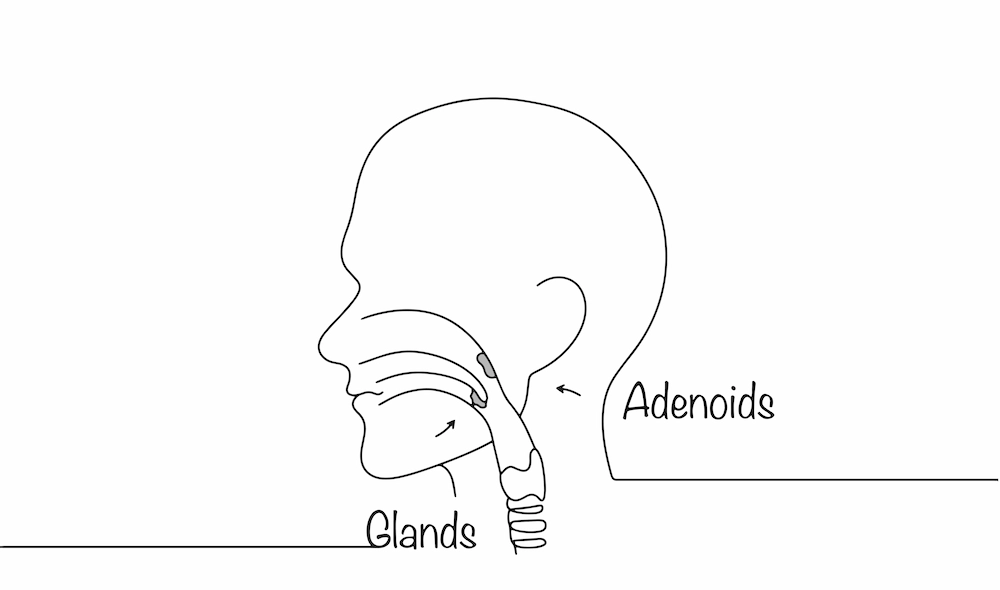
Large tonsils can narrow the airway at night and cause loud snoring, pauses in breathing and unrefreshed sleep. In children the adenoids are often enlarged too, and they may be removed in the same operation, which is called an adenotonsillectomy. Sleep related breathing problems have their own page on sleep apnea.
Total or Partial Tonsillectomy?
A total tonsillectomy removes the whole tonsil, and a partial tonsillectomy removes part of it. Dr Ong Yew Kwang offers both, under general anaesthesia as day surgery, in adults and in children. He advises which one suits you after assessing you.
What Happens During a Tonsillectomy?
A tonsillectomy is done under general anaesthesia as day surgery, and the tonsils are removed through the mouth, so there is no cut on the neck or face.
- Before the operation, Dr Ong Yew Kwang reviews your history, examines the throat and explains what to expect.
- The patient is put to sleep with general anaesthesia.
- The tonsils are removed through the mouth, either completely (total tonsillectomy) or in part (partial tonsillectomy).
- Any bleeding is controlled before the patient wakes.
- The patient rests in the recovery area under observation and goes home once ready, as most patients do on the same day.
When the adenoids are enlarged as well, they can be removed during the same operation. Read more about enlarged adenoids.
How Is Recovery After Tonsil Removal?
Most people recover in one to two weeks. A sore throat and pain on swallowing are the main symptoms, and the pain can also be felt in the ears.
What to expect after surgery:
| When | What to expect |
|---|---|
| Day of surgery | The patient wakes in the recovery area, is observed and goes home the same day. A sore throat is expected. |
| First week | Throat pain and difficulty swallowing are most noticeable. Soft, cool foods and plenty of fluids are easier to manage, and pain relief is taken as prescribed. |
| Second week | The throat heals gradually and eating returns to normal. Most children return to school and most adults work around this time. |
A white or yellow coating forms where the tonsils were, and this is part of normal healing.
Follow the aftercare advice Dr Ong Yew Kwang gives, because recovery varies from person to person.
Is a Tonsillectomy Painful or Risky?
A tonsillectomy causes a sore throat for the first week or so, and pain relief keeps it manageable. Like any surgery it carries risks, and Dr Ong Yew Kwang explains the ones that apply to each patient before they decide on surgery.
The risks include:
- pain on swallowing, which can lead to dehydration if fluids are not kept up
- bleeding, either within the first 24 hours (primary) or later, when the healing area is disturbed (secondary)
- infection of the throat after surgery
- the risks of general anaesthesia, which are explained before the operation
- uncommonly, a temporary change in taste or voice
How Does a Specialist Assess If You Need a Tonsillectomy?
Dr Ong Yew Kwang starts with the history: how often infections occur, how severe they are, which treatments were tried and whether sleep or breathing is affected. He then examines the throat and decides whether surgery, watchful waiting or other treatment suits the patient.
For children, the assessment also looks at the adenoids, breathing and sleep, as part of Paediatric ENT care. Bring a record of past episodes with dates, any fever and the treatment given, because it helps the decision.
MediSave, Insurance and Cost of a Tonsillectomy in Singapore
Medisave may be used for a tonsillectomy when the surgery is medically needed. MediShield Life and Integrated Shield Plans may cover part of the hospital bill, depending on your plan.
The fee depends on whether it is a total or partial tonsillectomy, whether the adenoids are removed in the same operation and the type of ward. Our clinic team will give you the expected fee before the procedure and can check whether your plan covers it.
Our Insurance Partners page lists the plans we work with.
Considering a Tonsillectomy?
If tonsil infections keep returning or enlarged tonsils disturb your sleep, Dr Ong Yew Kwang can assess you or your child and advise whether a tonsillectomy suits.

Patient Information
How much is a tonsillectomy?
How long does it take to recover from a tonsillectomy?
How long does tonsillectomy pain last?
When do you need a tonsillectomy?
What should throat look like after tonsillectomy?
What to eat after tonsillectomy?
References
Mitchell RB, Archer SM, Ishman SL, et al. Clinical Practice Guideline: Tonsillectomy in Children (Update). Otolaryngology Head and Neck Surgery. 2019;160(1S):S1 to S42. https://
doi.org/10.1177/0194599818801757
- Allergic Rhinitis
- Deviated Nasal Septum
- Inferior Turbinate Hypertrophy
- Turbinate Reduction Procedures
- Nasal Endoscopy
- Paediatric ENT
- Deviated Septum Surgery
- Sinusitis
- Sleep Apnea
- Thyroid Nodules
- Tonsilitis & Tonsil Stones
- Adenoid Hypertrophy (Enlarged Adenoids)
- Microscopic Ear Clearance
- Tonsillectomy