

Coping With the Haze in Singapore
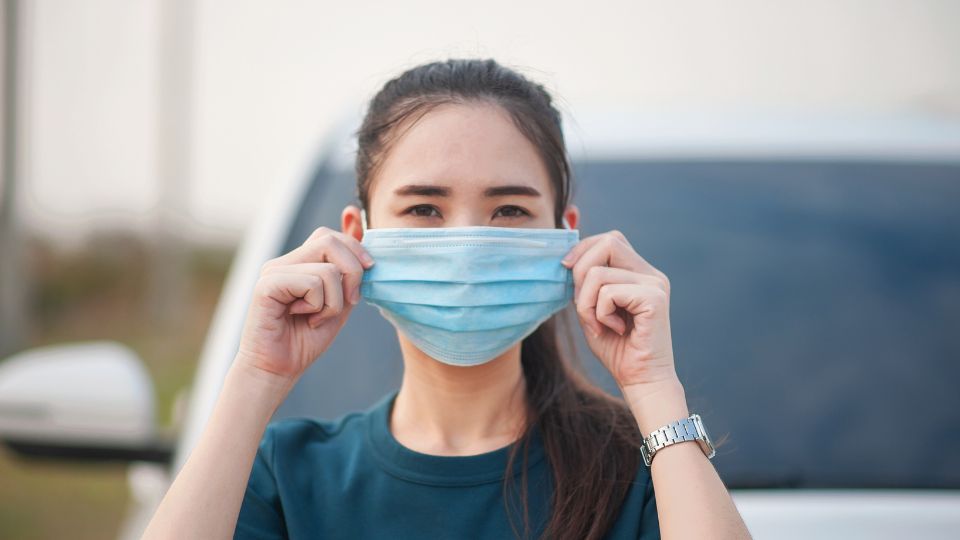
Singapore’s tropical climate means that periods of haze can often occur when smoke from regional fires is carried across the surrounding areas.
Although the haze can affect visibility in general, the fine particles in the air are actually the most concerning when it comes to your health.
If you have an existing nasal or respiratory condition, the haze may make your symptoms more noticeable or uncomfortable. It may cause irritation in the nose and throat, trigger sneezing and congestion, and make any existing allergy or sinus symptoms even more noticeable.
Understanding the air quality readings, recognising the symptoms and knowing how to reduce your exposure can help you to look after your health when the haze levels start to rise.
What does the PSI tell you about Singapore’s air quality?
The Pollutant Standards Index (PSI) is used in Singapore to indicate the severity of air pollution. The National Environment Agency (NEA) haze guide advises that a PSI reading of 101 or above is considered to be unhealthy.
The potential health effects depend not only on the PSI level, but also on how long you’re exposed and the amount of physical activity you are doing outdoors.
As a general guide, a PSI of 100 or below falls within the good to moderate range, but readings above 100 indicate increasingly unhealthy air quality.
At higher levels, limiting time outdoors becomes increasingly important, particularly for children, older adults, pregnant women, and people with existing heart or lung conditions.
It’s also worth looking at the one-hour PM2.5 reading, which refers to very small particles measuring 2.5 micrometres or less in diameter. During periods of haze, these particles contribute heavily to air pollution and can enter your respiratory system.
How can the haze affect your nose and sinuses?
Your nose is one of the first parts of the respiratory system to come into contact with airborne pollutants. The haze can irritate the nasal lining, which might result in symptoms such as a blocked or runny nose, sneezing, throat irritation and coughing.
If you already experience allergic rhinitis, you might find that your symptoms become more of an issue during periods of poor air quality. Haze is not an allergy itself, but airborne pollutants can aggravate nasal inflammation and make existing symptoms more noticeable.
Common symptoms of allergic rhinitis include repeated sneezing, nasal congestion, a runny nose, an itchy nose and watery eyes. Persistent nasal inflammation can also affect your sleep and concentration.
If your symptoms continue after the air quality improves, it’s worth considering whether something else might be contributing. An allergic rhinitis assessment can help to identify the underlying cause and determine whether further treatment is needed
Can the haze trigger sinus problems?
The haze doesn’t necessarily mean that you’ve got sinusitis, but irritation and inflammation within the nose can contribute to increased nasal congestion.
When your nasal passages become swollen, you might notice facial pressure, post-nasal drip or difficulty breathing comfortably through your nose.
Sinusitis is inflammation of the sinus lining and can be linked to infection, allergies or blockage of the normal sinus drainage pathways. Symptoms might include nasal congestion, facial pressure, headaches, and mucus draining into the throat.
The haze might make your sinus problems more difficult to manage, but persistent symptoms may not be automatically linked to the air quality.
An ENT assessment can help to establish whether allergies, infection, nasal obstruction or another condition is involved.
Simple ways to reduce haze exposure
When the haze levels are elevated, reducing your exposure to polluted outdoor air is one of the most useful things you can do:
Check the latest PSI and PM2.5 readings before you exercise or spend extended periods outdoors. If the readings are elevated, consider postponing any strenuous activity until the conditions get better.
Keeping your doors and windows closed when haze levels are high can also reduce the amount of outdoor air entering your home. Air-conditioning systems and air purifiers with the right filtration may help to improve indoor air quality too.
You may also find that wearing a fitted mask outside can filter fine particles and give you extra protection. It’s important to avoid any further irritants too, such as cigarette smoke, vaping and strong airborne chemicals, as these can aggravate your nose and throat even more.
Looking after your health during periods of haze
Saline nasal sprays or rinses can help to remove particles and allergens from the nasal passages. If you use a nasal rinse, always follow the product instructions and use an appropriate water source rather than untreated tap water.
If you already have nasal allergies, you should continue using your usual treatment as advised by your doctor. If you’re unsure whether your symptoms are related to allergies, haze, or another nasal condition, an assessment with an ENT and sinus specialist can provide you with more clarity.
When it may benefit to consult a specialist
You should consider speaking to an ENT specialist if you have:
- Ongoing nasal blockage
- Repeated sinus infections
- Persistent facial pressure
- Reduced sense of smell
- Or symptoms that are interfering with your sleep.
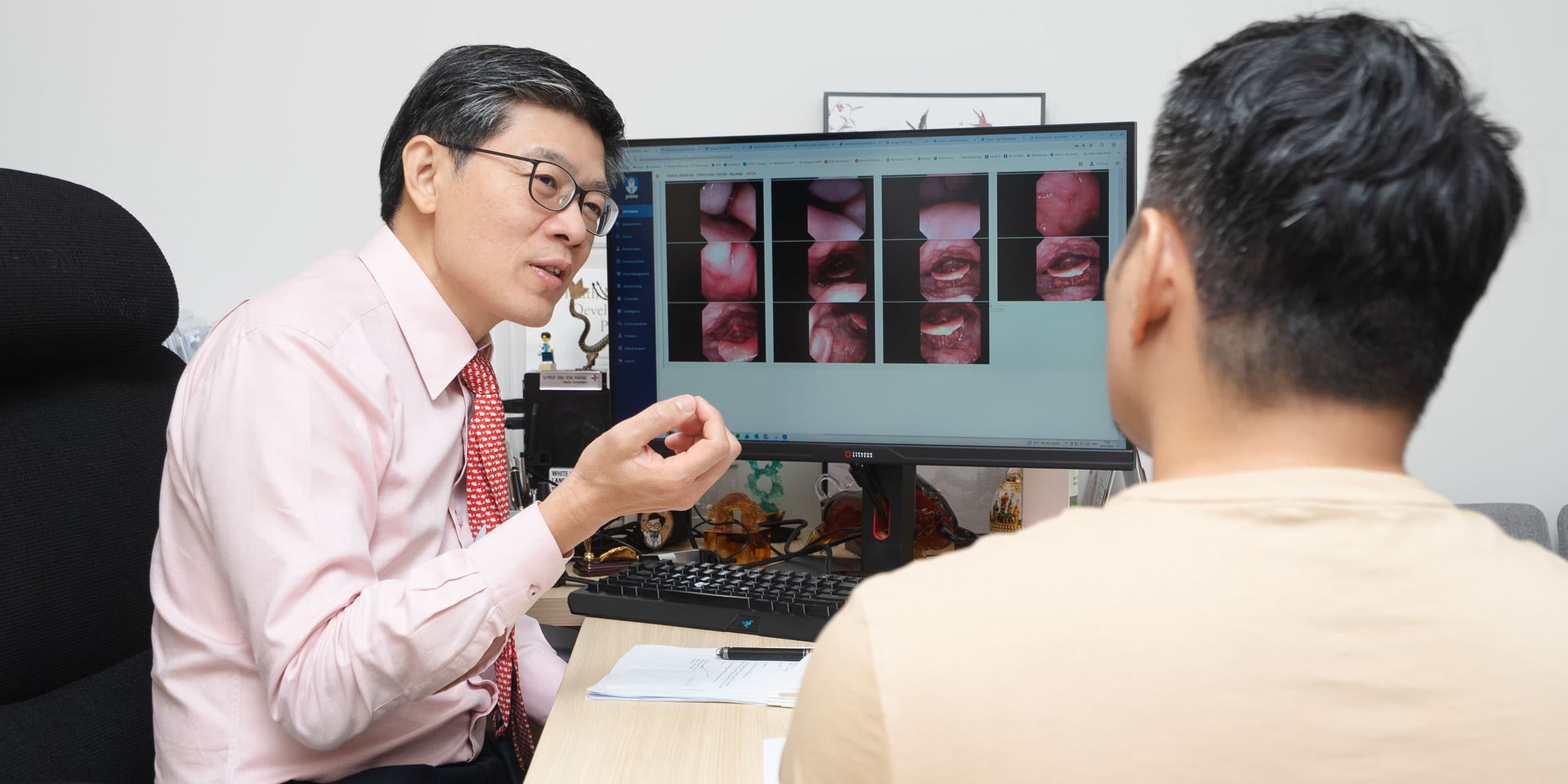
An ENT assessment may include an examination of your nasal passages, a nasoendoscopy or allergy testing. These investigations can help to identify inflammation, obstruction or any other factors contributing towards your symptoms.
Keeping healthy during the haze
When you experience periods of haze, it can be unpleasant, but there are a number of simple ways to reduce your exposure and protect your nasal and respiratory health:
Keep an eye on the latest air quality readings, limit strenuous outdoor activity when advised, maintain good indoor air quality and pay attention to symptoms that are persistent.
If your nasal or sinus problems are becoming a regular issue rather than something that only occurs during periods of poor air quality, it may be worth seeking specialist advice.
At Advanced Sinus & Skull Base Centre, ENT care is available for adults and children with conditions including allergic rhinitis, sinusitis and other nasal problems.
An individual assessment with Dr Ong Yew Kwang can help identify the cause of your symptoms and determine whether medical treatment or further investigation is needed.